






• Sterimed Group

    • Home
    • About
    • Products

      Sterimed Group

      We take pride in delivering quality consistently for over 70 years, and growing on the trust and goodwill of our customers.

      Urology

      General Surgery & Oncology

      General Surgery & Oncology

      Surgical Tapes

      Tapes & Dressing

      Anaesthesia & Critical Care

      Anaesthesia & Critical Care

      Gynaecology & Paediatrics

      Gynaecology & Paediatrics

      Other Solutions (Kits)

      Transfusion

      Transfusion

      Gastro-Enterology

      Gastro-Enterology

    • Products
      • Urology
      • Anaesthesia & Critical Care
      • Transfusion
      • General Surgery & Oncology
      • Gynaecology & Paediatrics
      • Gastroenterology
      • Tapes & Dressings
      • Other Solutions (Kits)
    • Industrial Solutions
    • Careers
    • News & Events
    • Contact
    • Home
    • Medical Disposables
    • Foley Catheter

    Foley Catheter

    by tictac / Wednesday, 22 July 2026 / Published in Medical Disposables
    foley

    Foley Catheter Introduction

    A Foley catheter is a thin, sterile tube inserted into the bladder to drain urine. Because it can be left in place in the bladder for a period of time, it is also called an indwelling catheter. It is held in place with a balloon at the end, which is filled with sterile water to prevent the catheter from being removed from the bladder. The urine drains through the catheter tube into a bag, which is emptied when full. The procedure to insert a catheter is called catheterization.


    A Foley catheter is used with many disorders, procedures, or problems such as these:

    • Retention of urine leading to urinary hesitancy, straining to urinate, decrease in size and force of the urinary stream, interruption of urinary stream, and sensation of incomplete emptying
    • Obstruction of the urethra by an anatomical condition that makes it difficult for one to urinate: prostate hypertrophy, prostate cancer, or narrowing of the urethra
    • Urine output monitoring in a critically ill or injured person
    • Collection of a sterile urine specimen for diagnostic purposes
    • Nerve-related bladder dysfunction, such as after spinal trauma (A catheter can be inserted regularly to assist with urination.)
    • Imaging study of the lower urinary tract
    • After surgery


    Foley Catheter Risks

    • The balloon can break while the catheter is being inserted. In this case, the doctor will remove all the balloon fragments.
    • The balloon does not inflate after it is in place. Usually the doctor will check the balloon inflation before inserting the catheter into the urethra. If the balloon still does not inflate after its placement into the bladder, the doctor will then insert another Foley catheter.
    • Urine stops flowing into the bag. The doctor will check for correct positioning of the catheter and bag or for obstruction of urine flow within the catheter tube.
    • Urine flow is blocked. The doctor will have to change the bag or the Foley catheter or both.
    • The urethra begins to bleed. The doctor will have to monitor the bleeding.
    • The Foley catheter may introduce an infection into the bladder. The risk of infection in the urine increases with the number of days the catheter is in place.
    • If the balloon is opened before the Foley catheter is completely inserted into the bladder, bleeding, damage and even rupture of the urethra can occur. In some individuals, long-term permanent scarring and strictures of the urethra could occur.
    • Bladder spasms can occur when a catheter is placed. This is a sudden intense urge to urinate and can be painful. Often, urine will leak around the outside of the catheter when a spasm occurs. Medication can be prescribed for bladder spasms.
    • Tweet

    About tictac

    What you can read next

    Steripore Safe
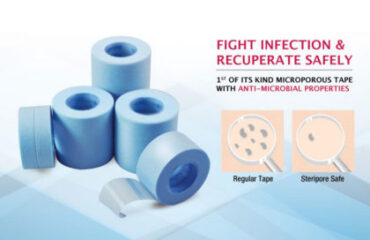
    Fight Infection & Recuperate Safely
    Steripore Softpeel
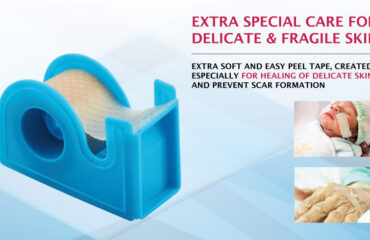
    Extra Special Care for Delicate & Fragile Skin
    Microporous Tape
    Steripore Safe – The world-class Microporous Tape by Sterimed

    Search

    Blog

    • Fight Infection & Recuperate Safely

      Steripore Safe Microporous Tape 1st of its kind...
    • Extra Special Care for Delicate & Fragile Skin

      Steripore Softpeel – Silicon Gel Tape Ext...
    • Benefits of Silicon with PVC, for Safer Patient Care

      Siliconised Endotracheal Tube – Cuffed & Pl...
    • Minimize Vap in Patients, with Safety & Convenience

      Suction Catheter Closed System Replaceable Cath...
    • Maximum Patient Comfort, Longer Lasting Care

      Polymer Coating for greater inner diameter and ...

    Sterimed Medical Devices Pvt Ltd

    At Sterimed Group we take pride in delivering quality consistently for over 70 years, and growing on the trust and goodwill of our customers.

    Contact Us

    Company

    • Home
    • About
    • Careers
    • Industrial Solutions
    • News & Events
    • Blog
    • Contact

    Products

    • Urology
    • Anaesthesia & Critical Care
    • Transfusion
    • General Surgery & Oncology
    • Gynaecology & Paediatrics
    • Gastroenterology
    • Tapes & Dressings
    • Other Solutions (Kits)

    Contact

    For Domestic queries
    info@sterimedgroup.com

    For International queries
    exports@sterimedgroup.com

    +91-11-42466196 / 396 (100 Lines)

    © 2026 Sterimed Group, All Rights Reserved.

    • Terms of Use
    • Privacy
    TOP

    WhatsApp us